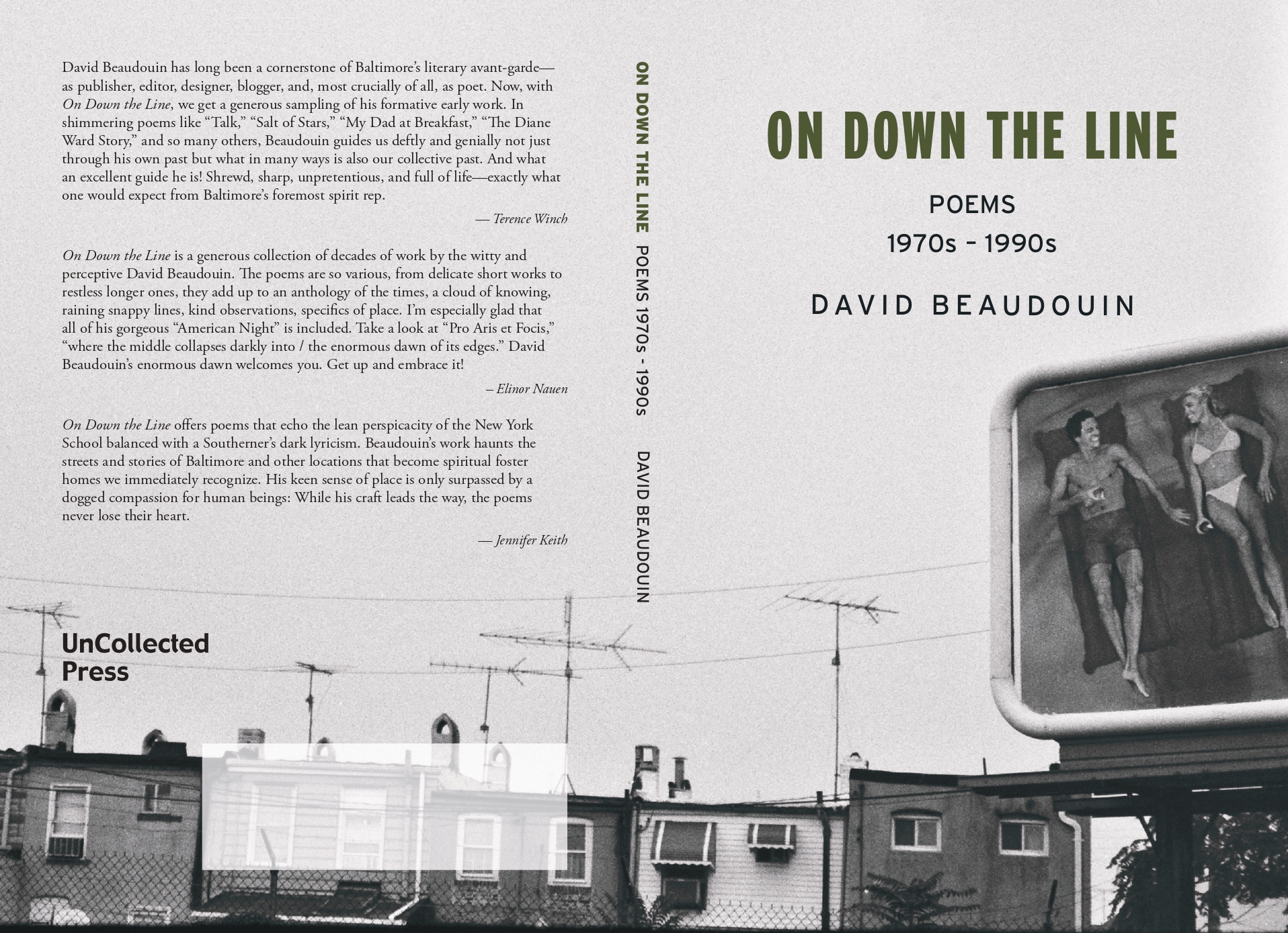
Announcing The Publication of “ON DOWN THE LINE” – poetry by David Beaudouin.

When a stranger who turns out to be his niece receives an extra 23andMe test by mistake, it changes Alex Blum’s life forever.
At the age of sixty, Alex Blum made a life-altering discovery: he was the eldest of four biological brothers he never knew existed. Born in 1955, Blum had always known he was adopted, yet the secrecy of the era kept every detail of his origins sealed. Without a court order, he spent decades without a single clue about where he came from, or why he had been given up.
Raised by a wealthy family on Manhattan’s Upper East Side, Blum grew up surrounded by privilege but plagued by a deep sense of disconnection. He often felt out of place and emotionally unmoored, longing for a sense of belonging that never arrived.
Having built a career helping others tell their stories, first for brands as a commercial producer and then as a feature film producer with credits including Behind Enemy Lines and Flight of the Phoenix for 20th Century Fox—Blum finally turns the camera on himself in An Accident of Birth.
More than a memoir of adoption and reunion, An Accident of Birth explores the universal emotional landscape shared by adoptees everywhere. With candid, affecting prose, Blum examines the pressures of “adoptee gratitude,” the quiet ache of alienation, and the lifelong search for identity, connection, and home.


FOR MULTIPLE PURCHASE OPTIONS PLEASE EMAIL – EDITOR@THERAWARTREVIEW.COM


saffron splash by Ann Huang
$18.95 Book + $1.14 Md sales tax + $7 shipping
$27.09

“In his book, A Letter to Xhevdet Bajraj, Jeff Weddle takes the reader on a roller coaster ride thru a somewhat hazy youth into the more complex and somber depths of maturity. From crazy mixed up curious kid to somewhat radical professor, from dark solitude to reaching out to a global community, Weddle shares insights gained through his journey and offers a wider perspective on the mysteries of life and the universal experience. This book is a must read!”
— Sheila Lowe-Burke, Dr.,h.c., Michigan Beat Poet Laureate 24-26
“In A Letter to Xhevdet Bajraj, Alabama Beat Poet Laureate Jeff Weddle, in panoramic poetic detail, shines a bright microscopic light on the time that was, the time that is, the time that will be no more. Jeff Weddle writes the impossible. His mesmerizing, hypnotic poems put me in a trance, transported me to other worlds. Each poem is a living breathing painting, a moving picture come to life in me. Experiencing his poems I become reflective, and emotional. His poems are the real deal. Jeff Weddle’s A Letter to Xhevdet Bajraj is a master work of poetry.”
–Ron Whitehead, U.S. National Lifetime Beat Poet Laureate
“Jeff Weddle’s dynamic poems prove once again that stories (and poetry) can have power. Reading these pages is like getting into the car with Jeff, and watching past and present fly by on a rollicking cross-country drive. All the while Jeff Weddle, a modern-day Neal Cassady narrates an ongoing dialogue with other poets, musicians, mystics, family members, and ne’er do wells all “dreaming of sweat and glory.” Drink up if you know. Open this book and buckle up if you want to take a wild ride through the back streets of the American zeitgeist.”
–Danny Shot, author of WORKS and The Jersey Slide

LETTER TO XHEVDET BAJRAJ
$18.95 book +$1.14 Tax + $7.00 Ship
$27.09
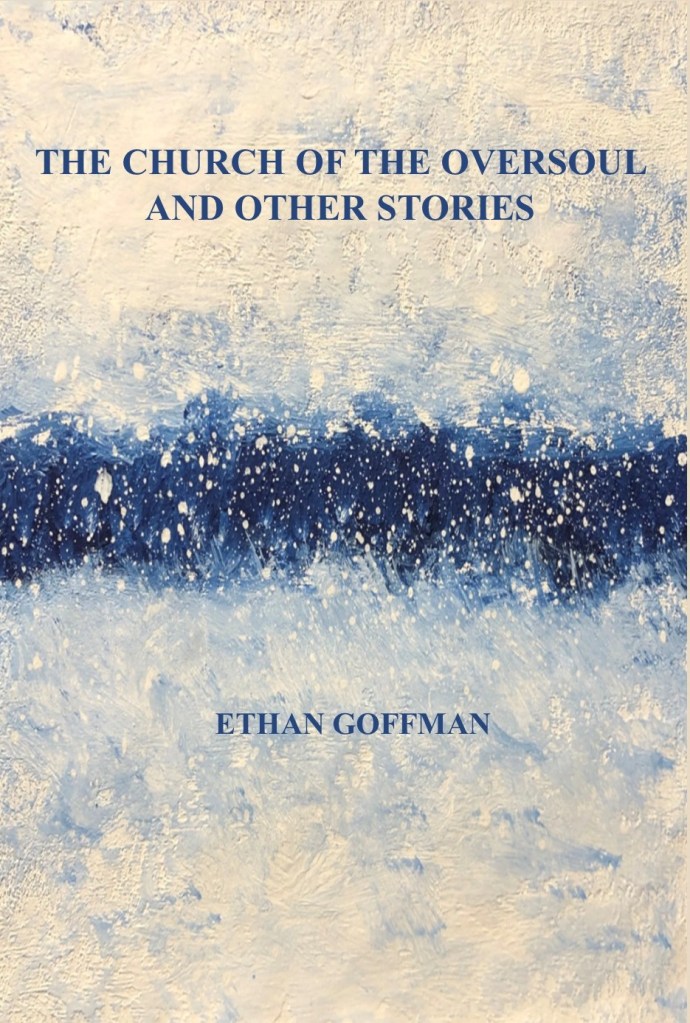
The Church of the Oversoul and Other Stories
by Ethan Goffman
We tell ourselves stories to live.
Joan Didion
We use the gift of storytelling to make sense of this strange, horrible, wonderful, slippery thing called life. From literary fiction to a sprinkling of fantasy, these stories and a novella provide a surrealistic roadmap to our strangest of times, encompassing political anger in the workplace, climate disaster in cherished spaces, virtual reality in daily life, artificial intelligence and the human psyche, sexual fluidity and ambiguity, and the paradoxes of new age evangelicalism. The Church of the Oversoul and Other Stories will leave you pondering just who we are in the twenty-first century, how we got here, and what might come next.
“A good story is more important than complete fidelity to the truth,” Ethan Goffman writes. Indeed, throughout this collection of short stories, truth proves chimeric, as borderlines between fact and fantasy perpetually shift. Dreams and visions infiltrate the lives of Goffman’s characters, who themselves often seem rather hapless. Despite the elements of magical realism that infuse Goffman’s stories, there are no storybook heroes or villains here, only ordinary people caught in a dystopian world, who nevertheless manage to muddle through. At first glance, these stories might strike the reader as being rather sad, even forlorn. But look again — there is a dark comedy at work here, a cosmic joke, which Goffman strives to illuminate. These are stories of dogged endurance by those who rebel against an often hostile universe. The outcomes may be bittersweet, even tragic, but the human spirit carries on, unconquered.
W. Luther Jett, renowned Washington, DC area poetry advocate and organizer and the author of Flying to America (Broadstone Press, 2024)
“Salvador Dali must be laughing or crying in his grave—probably both—at this dripping, oozing world,” notes one character in The Church of the Oversoul and Other Stories. Reading this book is like taking a vacation into other realms. Ethan Goffman offers stories ranging from the brief to the connected or interconnected pieces of the seven-part “Pifflemeyer.”
You know the rollercoaster has started when Goffman gives readers “a day as lovely as a Hallmark card.” Then, there is the Vonnegut-like tone of “Bertha.” “The Book of Joe” has its own unique connection to the biblical Book of Job while “A Real Man” seems an extension of Anthony Burgess’s novel The Wanting Seed. “The Cruelest Month” asks, “Why doesn’t more go wrong with people?” Goffman shows us how that’s possible within these pages.
Bill Cushing, author of The Commies Come to Waterton, Heroic Brothers of the Civil War, and other books
THE CHURCH OF THE OVERSOUL by Ethan Goffman
$18.95 Book + $1.14 Md Tax + $7.00 Shipping
$27.09
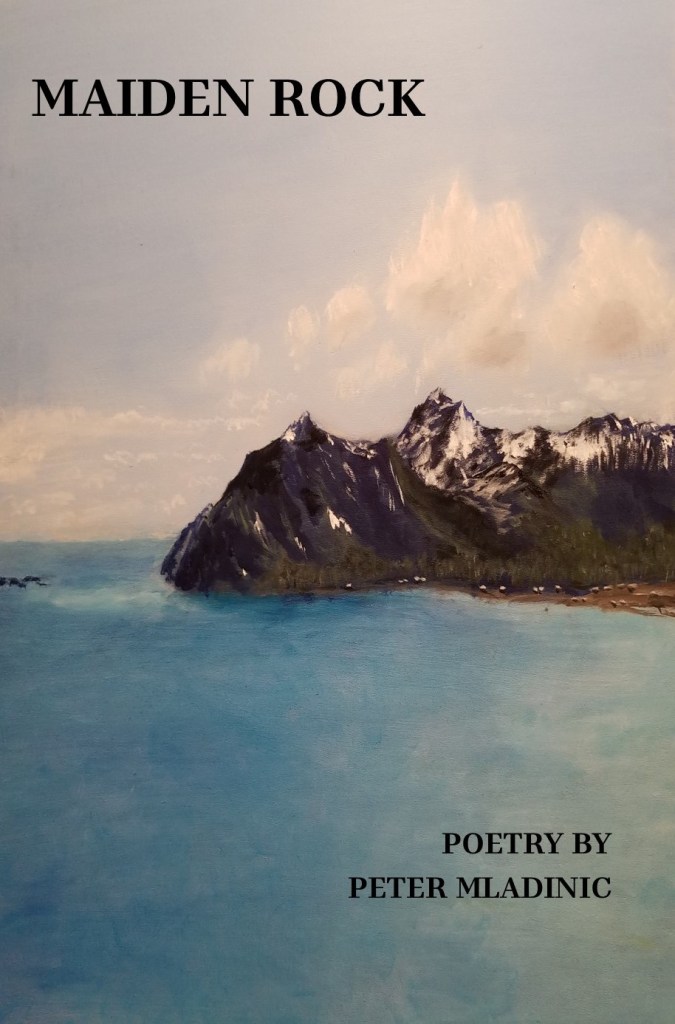
Peter Mladinic is my patron saint of strays — stray dogs, stray people, stray memories which gain profound meaning in combination with things which would not be obvious to another, but allow Mladinic quiet epiphanies which stop inches before false resolution might be added. While there is happiness here, a profound melancholy also washes through many of these poems. There are old dogs finally out of options, nuns with their tender humanity masked by their habits, lovers finally lost to one another, but who might pick up the pieces with unconsidered possibilities of the past. There is also the guilt of the hero who can’t, finally, save anyone, not even himself, but who still persists. Read these poems with an open heart and allow yourself the wonders Mladinic offers. He understands that any war is every war, and invites the reader to the uneasy peace that sometimes comes as we stumble our way through the broken minefields of our own long walk into night.
—Jeff Weddle, author of Driving the Lost Highway and winner of the Eudora Welty Prize.
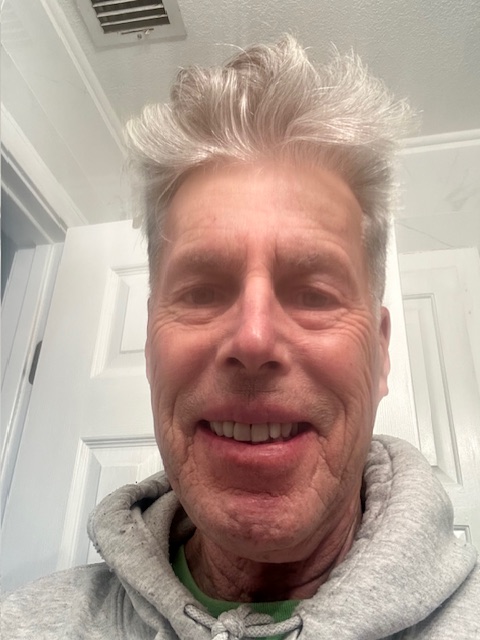
MAIDEN ROCK by Peter Mladinic
$18.95 BOOK + $1.14 MD SALES TAX + $7.00 SHIP
$27.09
 UNCOLLECTED PRESS: The Raw Art Review